
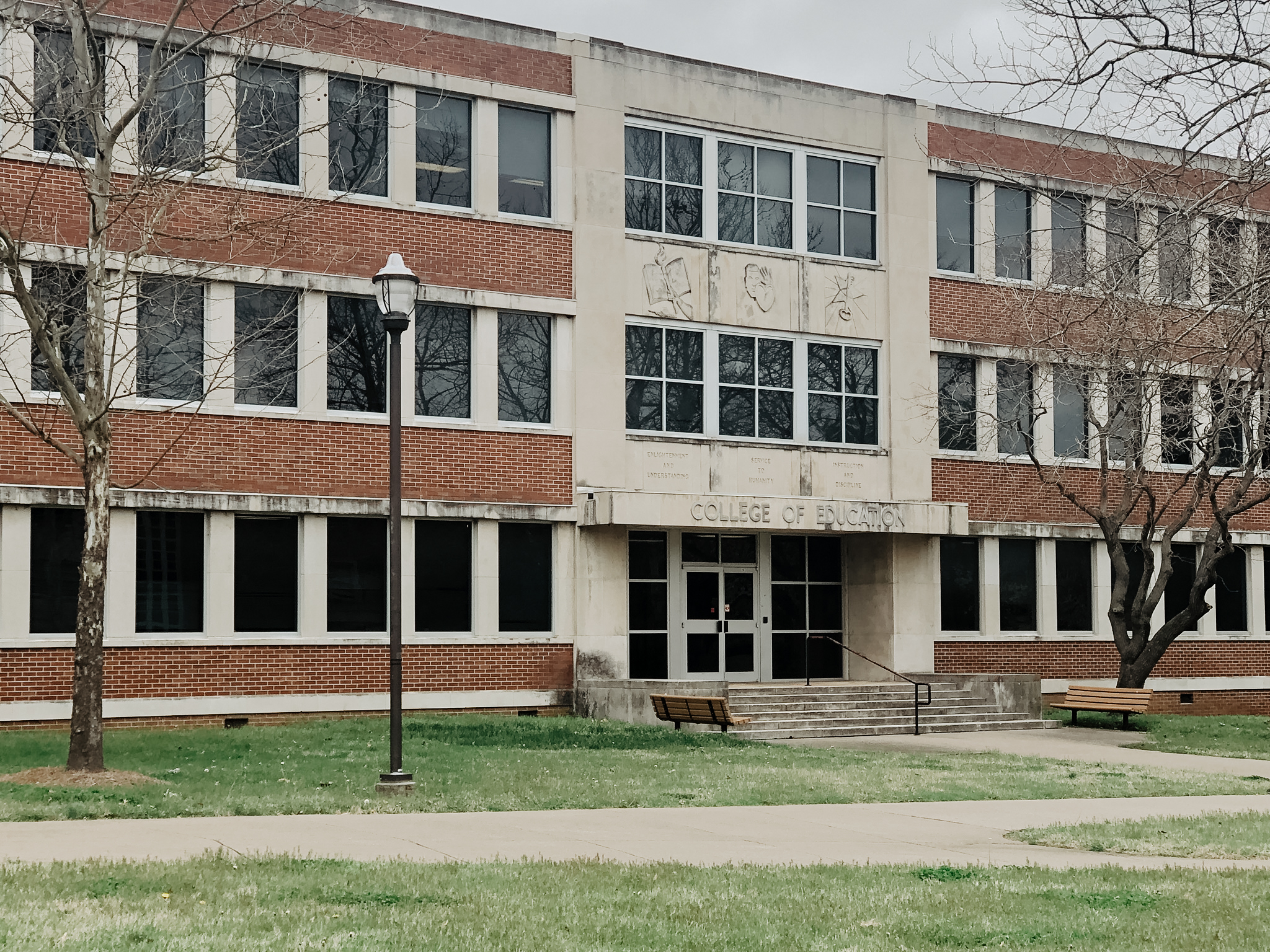
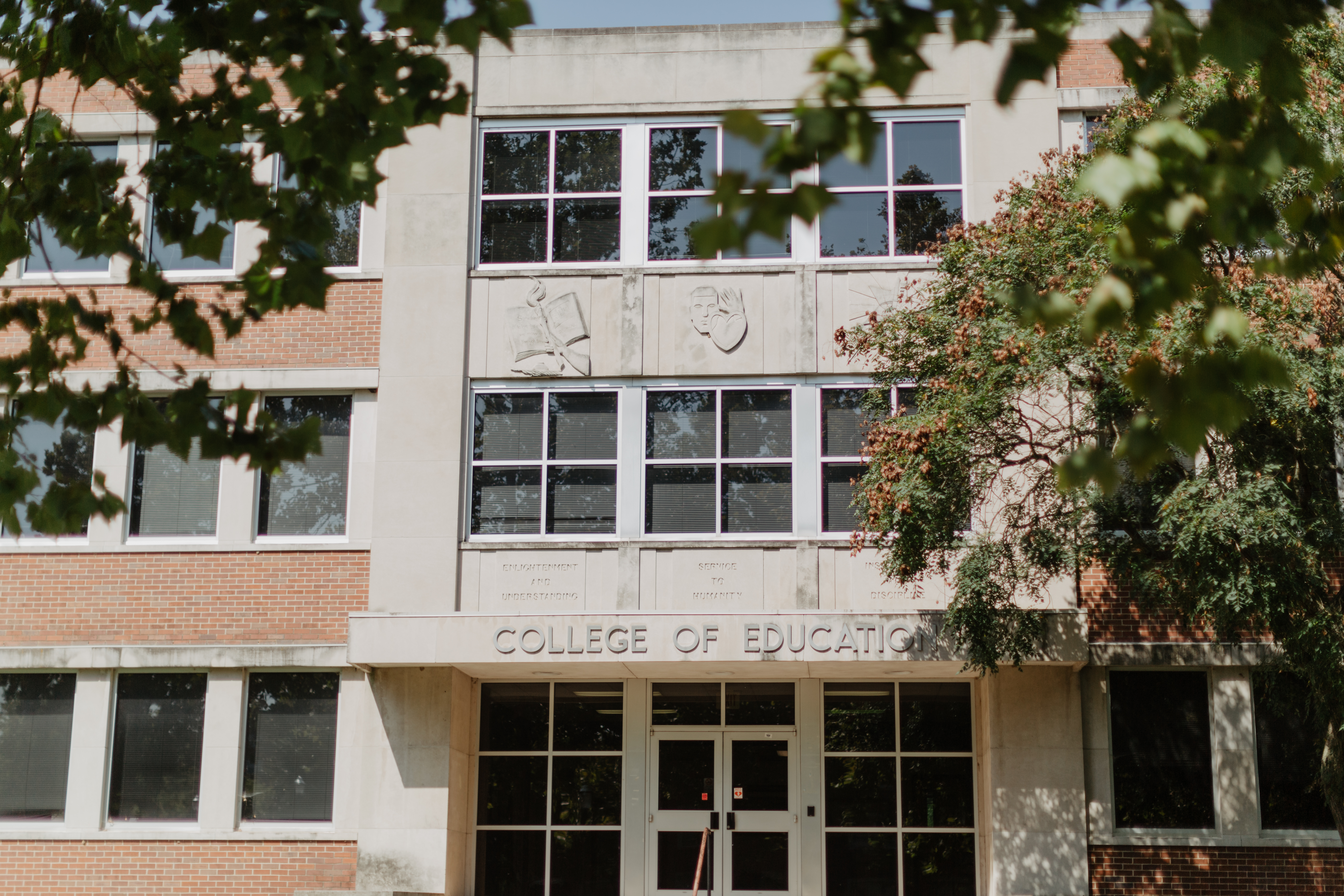


Clay Hall in 2019. Image courtesy of MHCF.
Stop 4 of 18
Clay Hall
On your right, you will see Clay Hall, named for Robert E. Clay. Born in 1875, he moved to Nashville in 1917 to work as school agent of the Rosenwald Fund. This philanthropic and community-based program was created by Julius Rosenwald, of Sears-Roebuck Company, and Booker T. Washington, activist and founder of the Tuskegee Institute. Clay worked throughout Tennessee, but particularly in rural areas, to establish over 500 African American schools. These efforts were successful, in large part because of local support from black communities which included everything from work days where the volunteers cleared land to “chicken rallies” where local residents donated farm animals with profits going toward the school.
In 1927, Robert E. Clay enrolled at Tennessee A&I. A decade later, Clay accepted a job with the Tennessee Department of Education as the State Developer of Negro Education, a post he held for twenty-eight years. While in this position, Clay sought to address challenges for African American students and schools in an era of segregation and discrimination. According to historian Mary S. Hoffschwelle, “Robert Clay delivered the Progressive educational gospel to rural Tennessee. . . and was the only African American acting in an official capacity for the state department of education.”
In addition to the Rosenwald Fund and his work as a state official, Clay played a major role in the National Negro Business League, National Youth Administration, Better Homes movement, and the Interracial League of Tennessee Commission of Race Relations. Clay was also known for the Sunday School program he established at Tennessee A&I, which ran during the 1940s and 1950s. The Sunday School drew large numbers of students and faculty to its weekly meetings on campus. “Daddy Clay,” as he was called by students, passed away in 1955. In 1961, TSU president Walter S. Davis named this building for Robert Clay to honor his lifelong advocacy for African American education. Clay Hall currently houses the Departments of Curriculum and Instruction, Psychology, and Teacher Education.
Facing Clay Hall, turn LEFT and continue up the sidewalk until you reach the intersection with Alameda Avenue. Across the street you see TSU’s Performing Arts Center. You can cross the street to get a better view or you can listen to the narration before turning RIGHT to follow the sidewalk that runs parallel to Alameda Avenue.
Tour Stops
Kean Hall
3500 John E. Merritt Boulevard
Floyd-Payne Campus Center and Bell Tower
3500 John E. Merritt Boulevard
Brown-Daniel Library
3500 John E. Merritt Boulevard
Clay Hall
3500 John E. Merritt Boulevard
Strange Performing Arts Center
3500 John E. Merritt Boulevard
Hale Hall, Rudolph Hall, and Torrence Hall
3500 John E. Merritt Boulevard
Boswell Science Complex and Black Greek Letter Organizations
3500 John E. Merritt Boulevard
Holland Hall, Crouch Hall, and Mirrored Lakes
3500 John E. Merritt Boulevard
Research and Sponsored Programs Building
3500 John E. Merritt Boulevard
Elliot Hall, Women's Building, and Van Gordon Art Gallery
3500 John E. Merritt Boulevard
Averitte Amphitheater, Love Building, and Davis Hall
3500 John E. Merritt Boulevard
Harned Hall and Politics
3500 John E. Merritt Boulevard
Goodwill Manor
3500 John E. Merritt Boulevard
Hankal Hall and Queen Washington Building
3500 John E. Merritt Boulevard
Gentry Center
3500 John E. Merritt Boulevard
Olympic Plaza and Statue
3500 John E. Merritt Boulevard
Hale Stadium and Field House
3500 John E. Merritt Boulevard
College of Agriculture
3500 John E. Merritt Boulevard